There's a moment every stacker remembers. You're scrolling through a forum or watching silver prices tick upward, and something clicks. This isn't just about coins or bars anymore. It's about who you're becoming. The habits you're building, the patience you're developing, the relationship you're forming with delayed gratification in a world designed to make you spend everything right now.
Building a precious metals stack is as much a psychological journey as a financial one. The people who succeed at this over the long haul aren't necessarily the ones with the biggest budgets or the best market timing. They're the ones who understand their own minds well enough to stay the course when everything around them is screaming to do something else.

Why Your Brain Works Against You
Here's an uncomfortable truth: your brain evolved for a world that no longer exists. The same instincts that kept your ancestors alive on the savanna are now working overtime to sabotage your financial decisions.
When silver drops three dollars an ounce, your brain registers it as a threat. When prices spike, that same brain floods you with urgency to buy now before it's too late. These responses made perfect sense when the threat was a predator and the opportunity was a berry bush that might be picked clean by tomorrow. They make terrible sense when you're trying to accumulate wealth over decades.
Successful stackers learn to recognize these moments for what they are. They're not insights. They're impulses dressed up in reasonable-sounding arguments.
Discipline as a Practice, Not a Personality Trait
People often talk about discipline like it's something you either have or you don't. That's nonsense. Discipline is a skill, and like any skill, it develops through practice and repetition.
The stackers who build serious wealth over time usually share a common approach: they've systematized their buying to remove emotion from the equation entirely. They set up a recurring purchase, maybe $100 on the 15th of every month or maybe $50 every paycheck, and they stick to it regardless of what the market is doing.

This isn't because they lack opinions about where prices are headed. Most long-term stackers have plenty of theories about the economy, the dollar, monetary policy, and everything else. But they've learned to separate their opinions from their actions. The purchase happens whether they're feeling bullish or bearish, whether silver is at $22 or $32, whether the news is good or terrible.
Dollar-cost averaging gets talked about constantly in investing circles, and for good reason. When you buy consistently over time, you naturally buy more ounces when prices are low and fewer when prices are high. Your average cost per ounce tends to smooth out, and you sidestep the impossible task of timing the market perfectly.
You replace all of that noise with a simple, repeatable system that runs in the background of your life.
The FOMO Problem
Fear of missing out might be the single most expensive emotion in precious metals. It's what makes people pile into silver when it's already up 20% in a week. It's what drives premiums on certain coins into absurd territory when demand spikes. It's the voice in your head saying you need to buy right now before prices go even higher.
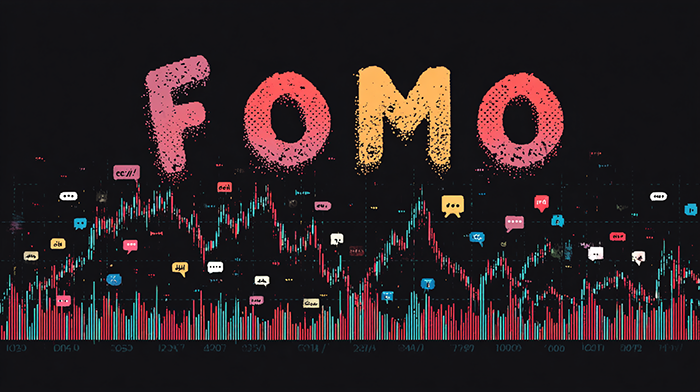
The thing about FOMO is that it feels like rational analysis in the moment. You're not being emotional, you tell yourself. You're responding to clear market signals. Prices are rising because demand is increasing, and demand is increasing because smart people recognize value. You'd be foolish not to act.
Except here's what usually happens next: prices consolidate or pull back, and you're sitting there with metal you bought at the local top, feeling that particular flavor of regret that comes from knowing you let emotion drive the bus.
The antidote to FOMO isn't suppressing the feeling. It's expecting it. When prices run up quickly, recognize that the urge to buy is going to show up. Welcome it, even. Then stick to your plan anyway.
This gets easier when you internalize a simple truth: there will always be another opportunity. Always. The precious metals market has been around for thousands of years and isn't going anywhere. Missing one rally doesn't mean missing your chance forever. It means being patient enough to buy at better prices later.
Some of the most successful stackers actually get excited when they feel FOMO because they've trained themselves to see it as a warning sign. The moment they feel that urgent need to buy right now, they know the market is probably overheated and it's time to sit on their hands.
The Other Side: Fear of Buying
FOMO gets all the attention, but its opposite is just as damaging. When prices drop sharply, a different fear takes over. The fear that they'll keep dropping, that you'll look foolish for buying, that you should wait for the bottom.
This fear sounds more prudent than FOMO because it's dressed up as caution. You're not being impulsive, you tell yourself. You're being smart by waiting for confirmation that the decline is over.
But waiting for confirmation usually means missing the bottom entirely. By the time you're confident that prices have stabilized, they've often already bounced back significantly. The best buying opportunities feel uncomfortable. They feel like you might be making a mistake. That's what makes them opportunities.
This doesn't mean throwing your entire budget at every decline. It means sticking to your regular purchases and maybe accelerating slightly when prices are genuinely depressed. It means not letting fear of further declines paralyze you into inaction.
Analysis Paralysis and the Perfect Purchase
There's a type of person drawn to precious metals who loves research. They read every forum, watch every video, compare every dealer. They know the difference between various mints, can explain why certain years or mintages command premiums, and have opinions about which coins have the best silver content relative to their size.

This knowledge is valuable. But it can also become a trap.
At some point, research stops being preparation and starts being procrastination. You're not learning anymore. You're avoiding the discomfort of actually committing your money. You're waiting for the perfect coin at the perfect price from the perfect dealer, and that combination never quite materializes.
The truth is that your first few purchases don't matter that much in the grand scheme of things. If you buy generic rounds when you could have gotten a slightly better deal on bars, you'll survive. If you pay a dollar over spot when someone else paid 75 cents over, it's not going to determine your financial future.
What matters is starting. What matters is building the habit. The details you're agonizing over become much less significant once you've been stacking for a few years and your holdings have grown.
Imperfect action beats perfect inaction every time.
The Comparison Trap
Social media has made it dangerously easy to compare your stack to everyone else's. You see someone post a photo of twenty 10-ounce bars and suddenly your small collection of rounds feels inadequate. You read about someone who started at $12 silver and feel like you've already missed the boat.
This comparison is poison, and not just for the obvious reason that it makes you feel bad. It's poison because it distorts your decision-making. It makes you feel like you need to catch up, like your conservative approach isn't working, like you should be taking bigger risks or making larger purchases than you can comfortably afford.
Here's what you don't see on social media: context. You don't see that the person with twenty bars inherited money, or has a salary three times yours, or has been stacking for fifteen years to your two. You don't see the people who over-extended themselves trying to build impressive stacks and ended up having to sell at a loss when life threw them a curveball.
The only meaningful comparison is your stack today versus your stack a year ago. Are you making progress toward your goals? Are you building the habit? That's what matters.
The Long Game
Precious metals reward patience in a way that almost nothing else in modern life does. We're surrounded by things that offer immediate gratification: streaming services, same-day delivery, instant access to information. Stacking asks you to do the opposite: to put money into something and then wait, possibly for years, to see the full benefit.
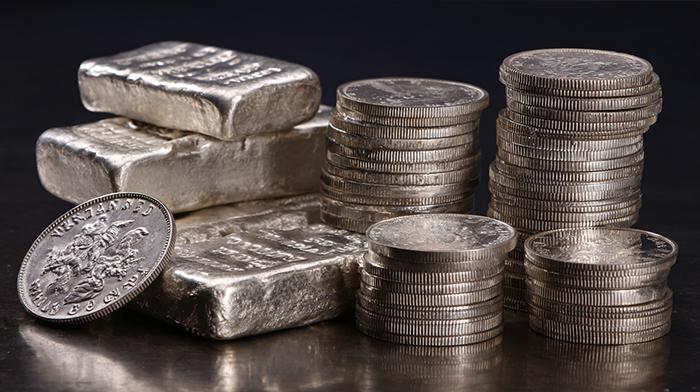
This is genuinely hard for most people. We're not wired for it. But the stackers who understand that this is a decades-long endeavor tend to make better decisions than those who are checking spot prices every few hours.
Until one day you look at what you've built and realize it's become something substantial.
This long-term perspective also changes how you respond to volatility. When prices swing wildly, the short-term thinker panics. The long-term thinker shrugs. Both are watching the same market, but they're operating on completely different timescales.
Using Tools to Stay the Course
One of the most underrated aspects of successful stacking is tracking. When you can see your progress visually, the number of ounces growing, the cost basis calculated, the portfolio value tracked over time, it reinforces the value of consistency.
There's something powerful about watching your numbers climb, even when individual purchases feel small. Adding ten ounces might not seem like much in isolation, but when you can see that it brought you to 500 total, that milestone means something. It's tangible proof that your approach is working.
Tracking also keeps you honest. When your purchases are recorded, you can look back and see whether you actually stuck to your plan or let emotion drive your decisions. That feedback loop helps you improve over time.
Final Thoughts
The psychology of stacking ultimately comes down to this: you're playing a game that rewards the patient and punishes the impulsive. The market will give you countless opportunities to make emotional decisions: to buy at the top, sell at the bottom, or sit paralyzed while good opportunities pass you by.
Your job is to build systems and habits that protect you from yourself. Automate your purchases. Track your progress. Ignore the noise. Compare yourself only to where you were before. Think in decades, not days.
That's the real edge in this space. Not timing. Not tips. Just the discipline to keep stacking, month after month, year after year, until the compound effect of all those small decisions turns into something that can change your financial life.
Start building your stack today with The Stacker Life. Track every purchase, see your progress, and stay motivated on your journey to long-term wealth.
Frequently Asked Questions
How do I overcome FOMO when silver prices are rising?
The key is to expect FOMO rather than suppress it. When prices spike, recognize that the urge to buy is normal, but stick to your plan anyway. Remember that the precious metals market has been around for thousands of years. There will always be another opportunity. Some successful stackers actually get excited when they feel FOMO because they've trained themselves to see it as a warning sign that the market might be overheated.
Should I wait for prices to drop before buying?
Waiting for the perfect bottom usually means missing it entirely. The best buying opportunities feel uncomfortable. They feel like you might be making a mistake. Instead of trying to time the market, focus on dollar-cost averaging: buy consistently over time regardless of price movements. This approach naturally buys more ounces when prices are low and fewer when prices are high, smoothing out your average cost.
How do I build discipline if I don't naturally have it?
Discipline isn't a personality trait. It's a skill that develops through practice. The most effective approach is to systematize your buying: set up a recurring purchase (maybe $100 on the 15th of every month) and stick to it regardless of market conditions. By automating the decision, you eliminate the daily choice of whether to buy, which removes emotion and second-guessing from the equation.
Is it normal to feel like I'm doing it wrong when I see other people's stacks?
Yes, and that feeling is poison for your decision-making. Social media shows you stacks without context. You don't see that someone inherited money, has a higher salary, or has been stacking for 15 years to your two. The only meaningful comparison is your stack today versus your stack a year ago. Are you making progress toward your goals? That's what matters.
How often should I check silver and gold prices?
The stackers who understand that stacking is a decades-long endeavor tend to make better decisions than those checking spot prices every few hours. When you think in terms of decades, daily price movements become noise. Whether silver is up or down 2% today is meaningless over a thirty-year timeline. What matters is the steady accumulation: month after month, year after year. Check prices when you need to make a purchase, but don't let daily volatility drive your decisions.